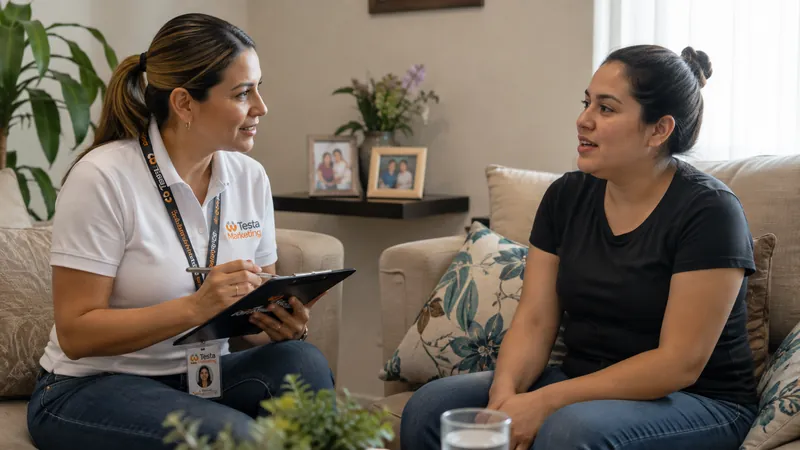
Observation in the real context: at home, in the store, on the commute, in the everyday use of the product. It is the technique that reveals the gap between what people say and what they do, and it usually explains the survey results that look contradictory. It is documented with field notes, photography and video, always with consent.
01
The setting to observe and the household or outlet profile are defined.
02
The researcher accompanies the activity without steering it.
03
It is documented with notes, photography and video under informed consent.
04
Analysis contrasts observed behaviour with what was declared.
Cases where it fits
What you get
At first, yes, which is why sessions run long: after the first half hour, routine takes over. Observation is also contrasted with the traces behaviour leaves — what is in the cupboard, how the shelf is arranged — which cannot be staged on the spot.
Tell us what decision you are facing and we will tell you which study answers it.